Comprehensive Strategies for Maize Weevil Control & Farm Equipment Repair to Maximize Agricultural Success
In the dynamic world of agriculture, achieving high crop yields and efficient farm operations hinges on meticulous crop management and reliable farm equipment. Among the numerous pests that threaten stored grains, the maize weevil stands out as one of the most destructive, capable of causing significant losses if not properly managed. Simultaneously, maintaining top-notch farming equipment ensures that farm operations run smoothly, reducing downtime and increasing profitability.
Understanding the Importance of Maize Weevil Control in Modern Farming
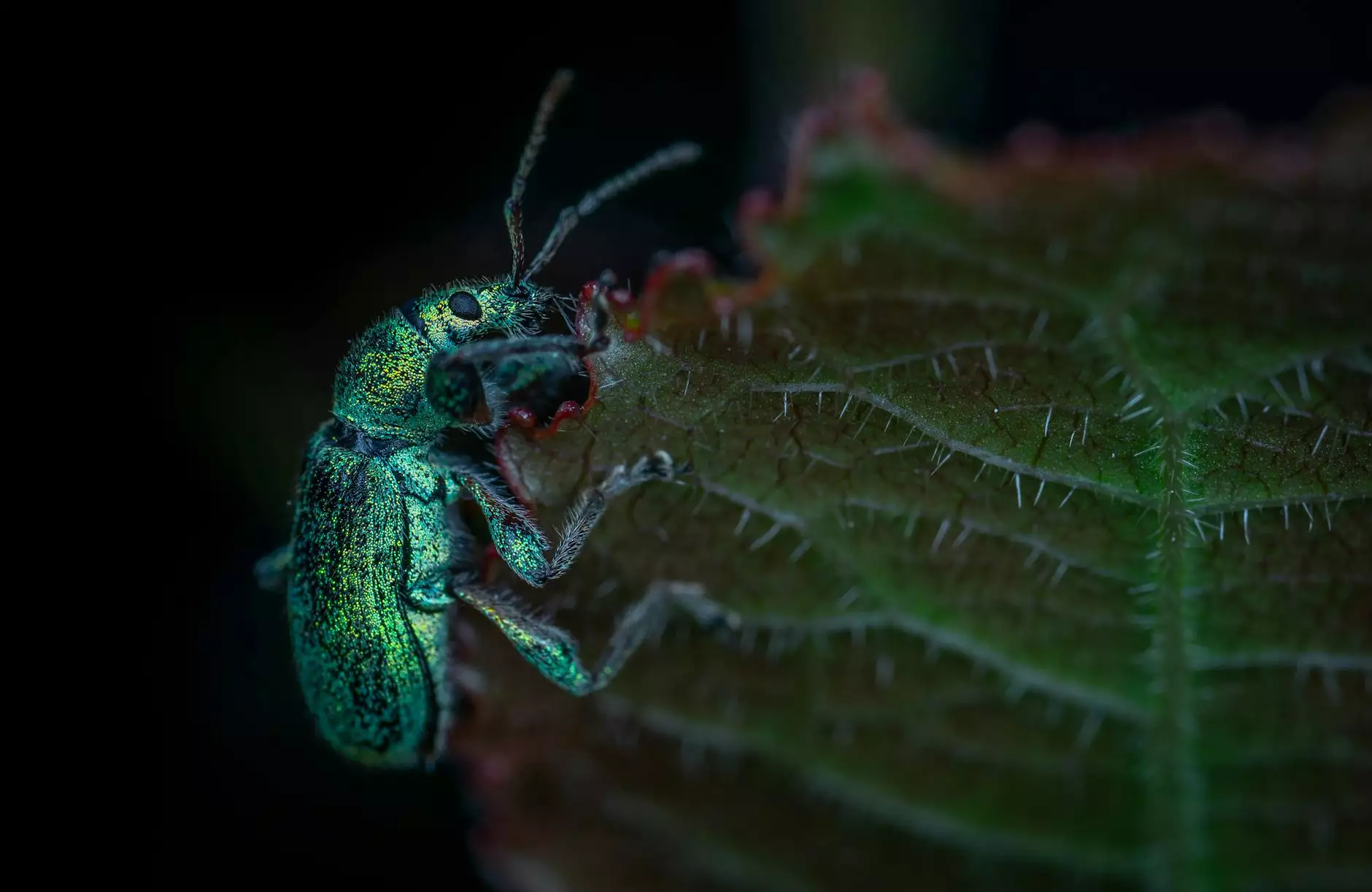
The maize weevil (Sitophilus zeamais) is a tiny, elusive pest that infests stored grains, particularly maize, wheat, and rice. Its presence can lead to qualitative and quantitative losses, deteriorating the quality of stored grains, and impacting farmers' income and food security. Effective maize weevil control is essential for protecting your harvest and maintaining the integrity of your storage facilities.
Biology and Behavior of Maize Weevil
Understanding the biology of maize weevils is crucial for designing effective control strategies. These pests have a life cycle that includes egg, larva, pupa, and adult stages. Females lay eggs inside grains, where larvae develop, eating and causing internal damage. Adults can live up to 8 months, continuously laying eggs, leading to exponential infestation if unchecked.
Common Signs of Maize Weevil Infestation
- Visible holes in grains
- Presence of small, black adult weevils
- Damaged or shriveled grains
- Fine powdery residue or frass around storage areas
- Unusual odor emanating from stored grains
Proactive Measures for Effective Maize Weevil Control
The battle against maize weevils involves a combination of preventive practices, biological controls, and appropriate chemical treatments. Implementing integrated pest management (IPM) strategies is the most effective way to safeguard your stored grains and ensure your farm remains profitable.
1. Proper Grain Storage and Sanitation Practices
Maintaining clean storage facilities is paramount. Regularly clean silos, bins, and surrounding areas to remove residual grains and debris that could harbor larvae and adults. Use sealed containers or airtight storage to prevent weevils from entering.
2. Timely Harvesting and Drying
Ensure grains are harvested at the optimal moisture content, ideally below 13%. Proper drying reduces the likelihood of pest infestation since maize weevils thrive in warm, humid environments. Use modern drying equipment for uniform moisture reduction.
3. Use of Botanical and Natural Repellents
Natural repellents like neem oil, diatomaceous earth, or certain essential oils can help deter maize weevils. These treatments are environmentally friendly and reduce chemical residues, making them suitable for organic farming systems.
4. Employing Biological Control Agents
Introducing natural predators or entomopathogenic fungi strains can suppress maize weevil populations. For example, the use of Trichogramma wasps or Bacillus thuringiensis formulations has shown promising results in reducing pest numbers.
5. Chemical Control and Fumigation
When infestations are severe, chemical treatments become necessary. Use registered insecticides following safety guidelines and recommended dosages. Fumigation with phosphine or methyl bromide (where permitted) can eliminate hidden populations effectively.
Integrating Modern Technologies for Optimal Maize Weevil Control
Smart Sensors and Monitoring Systems
Advances in technology allow for the deployment of sensor-based pest detection systems. These devices monitor temperature, humidity, and pest activity, providing real-time data to inform timely interventions.
Use of Grain Protectants and Preservatives
Applying grain protectants during storage enhances resistance and prolongs shelf life. These are available in various formulations, including dusts and liquids, and should be chosen based on compatibility with crop types and storage conditions.
Synergy Between Farm Equipment Repair and Pest Management
High-quality farming equipment plays a vital role in implementing pest control strategies. Regular farm equipment repair ensures that grain handling, drying, and storage machinery operate efficiently, making pest management more effective and less labor-intensive.
Why Regular Farm Equipment Maintenance Matters
- Prevents contamination of grains through clean and well-maintained equipment
- Improves drying and aeration, reducing pest-friendly conditions
- Enhances safety and reduces downtime, ensuring timely pest control actions
- Extends equipment lifespan and reduces replacement costs
Key Areas for Farm Equipment Care Related to Pest Management
- Cleaning grain dryers, silos, and conveyance systems after harvest
- Inspecting and repairing sealing mechanisms to prevent pest entry
- Maintaining moisture control devices to sustain optimal grain conditions
- Regular calibration of pest control devices and applicators
Choosing the Right Partner: TSGC Inc. as Your Farm Solutions Expert
At TSGC Inc., we specialize in providing comprehensive services that encompass farm equipment repair, farming equipment sales, and pest management solutions tailored to your specific needs. Our expertise in Farm Equipment Repair ensures that your machinery performs at peak capacity, while our pest control strategies, including those targeting maize weevil control, help you maintain a pest-free storage environment.
Why Choose TSGC Inc.?
- Expertise in agricultural equipment maintenance and pest management
- Customized solutions tailored to your farm size and crop profile
- Advanced technology integration for early pest detection and equipment automation
- Reliable support with prompt repair services and consultation
- Commitment to sustainability and environmentally friendly practices
Conclusion: Cultivating Success Through Effective Pest Control and Equipment Maintenance
In today’s competitive agricultural landscape, the combined approach of maize weevil control and high-quality farming equipment maintenance is essential for maximizing productivity, ensuring quality, and reducing losses. By adopting an integrated pest management strategy, leveraging modern technology, and partnering with experienced professionals like TSGC Inc., farmers can safeguard their investments and achieve sustainable growth.
Investing in proper pest control measures alongside diligent equipment repair not only protects your grains but also enhances your farm’s operational efficiency. Together, these strategies lay the foundation for a prosperous and resilient farming enterprise in the years to come.